
Texture matching after drywall repair begins before any new finish is applied. If the surrounding wall has orange peel, knockdown or another texture, the repaired area must also match the pattern, depth and visual rhythm around it. Otherwise, the patch may be smooth and solid but still obvious every time light moves across the wall.
The good news is that many textures can be matched closely. The realistic answer, however, depends on the existing finish, the size and location of the repair, previous paint layers and how much surrounding area can be blended.
For DFW homeowners, texture matching after drywall repair works best when the repair and finish are planned as one continuous process.
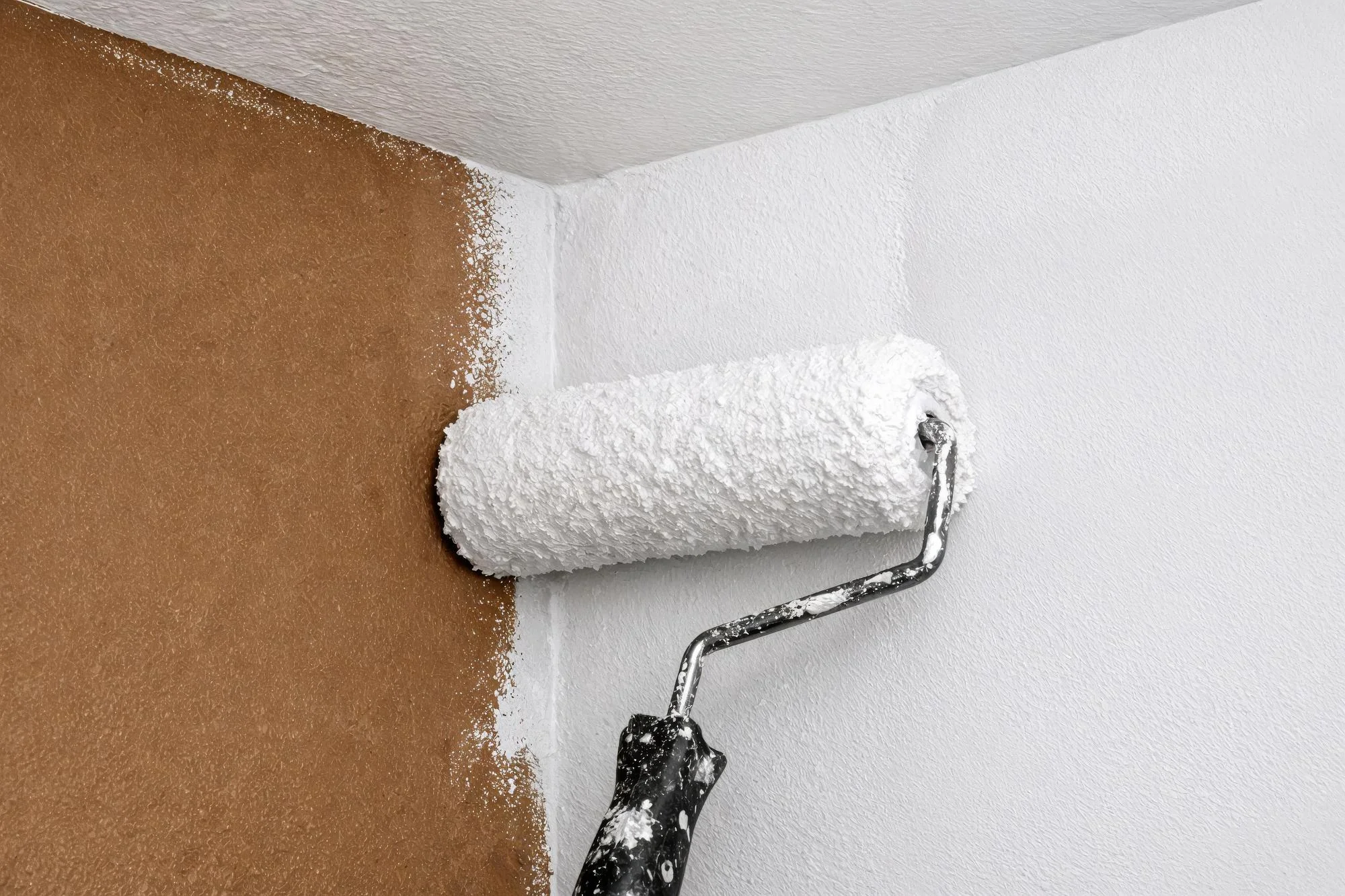
What makes texture matching after drywall repair successful
Texture is created through a combination of material consistency, application method, tool movement, pressure and timing. A contractor begins by identifying those characteristics in the existing wall rather than applying a generic texture and hoping it looks similar.
Common finishes in Dallas–Fort Worth homes include orange peel, knockdown, hand-applied patterns and textured ceilings. Two walls can both be described as orange peel while having noticeably different droplet sizes and density. Knockdown texture can vary from a subtle flattened pattern to a heavier, more irregular finish.
USG’s repair guidance reflects this process: the compound consistency and application technique change depending on the pattern, and knockdown finishes require the material to set before it is lightly flattened. Matching depends on recreating those choices in the repaired area.
Five factors that affect the final match
1. The type and scale of the existing pattern
A consistent sprayed texture is generally easier to study than a one-of-a-kind hand texture. The contractor looks at the size, spacing and direction of the pattern. Small test applications can help dial in the material before working on the wall.
2. The condition of the repaired surface
Texture will not hide an uneven patch. The drywall repair first needs a flat, feathered base without raised tape edges, sanding ridges or a visible depression. If the foundation of the repair is wrong, adding more texture usually makes the difference more noticeable.
For holes, cracks or damaged panels, begin with the appropriate drywall repair before evaluating the finish.
3. The number of paint layers already on the wall
Older texture often looks softer because several coats of paint have rounded its sharp edges. Fresh compound can look more defined, even if the underlying pattern is similar. Primer and paint bring the surfaces closer together, but a heavily painted wall may still require a wider blend.
4. Light and viewing angle
Windows, recessed lights and fixtures positioned close to a wall create raking light. That low-angle light emphasizes small changes in depth. A patch that looks good straight on may become visible from the side during part of the day.
This is why the repair should be checked from the normal paths through the room and under both daylight and artificial light—not only from directly in front of the patch.
5. The size and location of the repair
A small repair in the middle of a broad wall can sometimes be blended locally. A long seam, several repairs close together or damage beside a strong light source may look better when texture is extended across a larger controlled area.
The goal is not always to keep the work area as small as possible. The goal is to make the transition difficult to see.
How professional texture matching after drywall repair works
The process starts with protecting the room and preparing the repair. Loose material is removed, the patch is sanded and dust is cleared. The surrounding pattern is then examined closely.
Before applying the finish, the contractor adjusts the compound and application method. A test may be made on scrap material or an inconspicuous area. Once the pattern is close, texture is applied over the repair and feathered beyond its edges so there is no hard outline around the patch.
After drying, the area is inspected and lightly adjusted if necessary. Primer is important because bare compound and an already painted wall absorb paint differently. The final paint coat unifies sheen and color across the repair.
Our texture application service covers new surfaces, repair blending and preparation for paint throughout the DFW area.
When should you texture the entire wall?
Retexturing an entire wall is not automatically necessary. A local blend may be enough when the pattern is reproducible, the repair is modest and the paint finish is forgiving.
A larger application may provide a cleaner result when:
- the existing texture is inconsistent or heavily painted;
- multiple patches are spread across the same wall;
- strong side lighting makes transitions easy to see;
- the homeowner wants to change the texture style;
- a previous repair already created a noticeable mismatch.
This decision should be based on the wall in front of you. Photos help with an initial conversation, but an in-person view gives a better understanding of depth, sheen and lighting.
What DFW homeowners can do before requesting an estimate
Take one close photo that shows the texture and another from farther back that shows the repair’s position in the room. If possible, photograph the wall with the strongest natural light hitting it. Note whether you know the paint color and sheen, and mention any earlier repair attempts.
Do not worry about identifying the exact texture name. A clear picture of the pattern is more useful than a label that may mean different things to different people.
You can also review the project portfolio to see how repairs, textures and finished surfaces are presented across different spaces.
Get a repair that belongs in the room
Texture matching after drywall repair is a craft of small adjustments. The best result comes from preparing the patch correctly, studying the surrounding wall and blending beyond the repair instead of treating it as an isolated spot.
If a wall or ceiling repair needs a finish that works with the rest of your DFW home, send MH Drywall Solutions a few project details. You can attach photos to help the team understand the texture, lighting and size of the area before discussing the next step.
Source reviewed
- USG surfaces and finishes repair guidance: USG repair guidance