
Drywall cracks in DFW homes can be easy to ignore at first. Then you notice the line again a few weeks later, see another crack near a doorway, or realize an old repair has started to show through. The important question is not simply how to cover the crack. It is why the crack appeared and whether the surface is ready for a lasting repair.
Some drywall cracks are minor finish problems. Others are signs that the wall, ceiling or structure around the drywall is still moving. Understanding the difference helps you avoid repairing the same spot more than once.
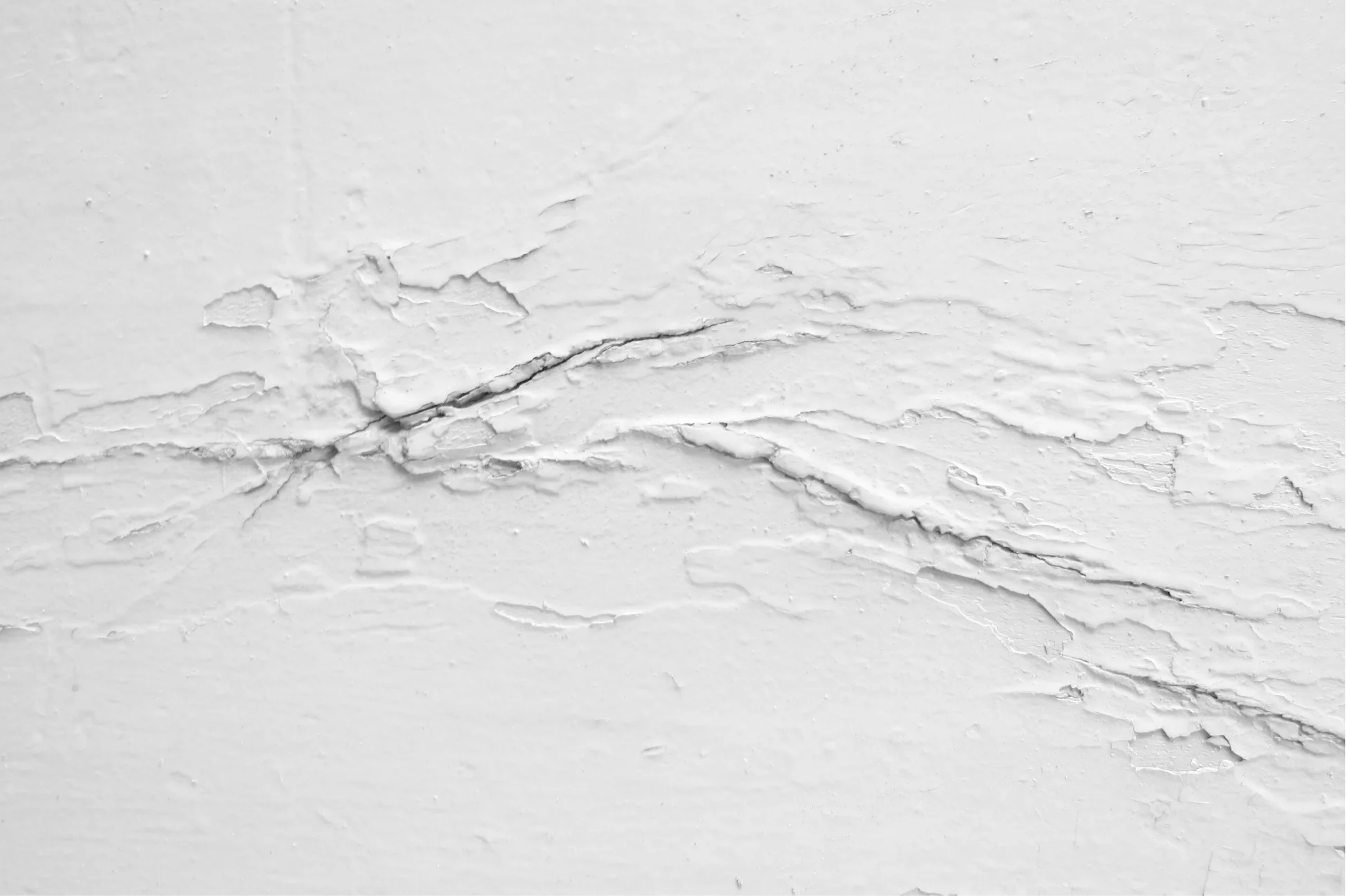
Why drywall cracks in DFW homes are common
Drywall is rigid, but the home around it is not completely motionless. Framing responds to temperature and moisture. Foundations and soils can move. Joints between sheets may become stressed, and areas around doors or windows concentrate that stress.
Local conditions matter. Dallas describes many soils in the area as highly plastic clays with significant shrink-and-swell potential. When moisture levels change, those soils can expand or contract and contribute to foundation movement. The National Weather Service also describes the DFW climate as having hot summers, variable winters and uneven precipitation. Those conditions do not mean every drywall crack is a foundation problem, but they help explain why movement deserves attention in North Texas homes.
Normal settling and material movement
New construction and recently remodeled spaces can develop small cracks as materials dry and the structure settles. A thin line at a drywall joint or where two surfaces meet may be cosmetic, especially if it remains stable.
Even established homes move slightly through the seasons. Wood framing expands and contracts. Long ceiling spans can flex. Joint compound and tape are most likely to show that stress at seams, corners and transitions.
Foundation or structural movement
Movement below the wall can transfer stress into the drywall. Diagonal cracks extending from the corner of a door or window can be one visible symptom. Doors that begin sticking, new gaps around trim, sloping floors or several cracks appearing together provide more reason to investigate.
Drywall repair corrects the visible surface. It does not correct an active foundation or structural issue. If the pattern suggests ongoing movement, have the underlying condition evaluated before investing in the finish.
Moisture and water intrusion
Water can soften drywall, damage joint compound and loosen tape. A crack accompanied by discoloration, bubbling paint, a soft surface or a musty smell should not be treated as an ordinary cosmetic repair.
The source may be a roof, plumbing line, exterior opening or condensation issue. The leak needs to be resolved and the affected material needs to dry before the wall or ceiling is refinished.
Weak joints or an earlier repair
A seam can crack when the original tape did not bond properly, the joint lacked enough compound, fasteners moved or a previous patch covered the line without reinforcing it. If a crack returns in exactly the same place, the repair method and the condition behind the surface both deserve another look.
What the crack pattern can tell you
No single pattern provides a complete diagnosis, but the location and behavior of a crack help determine the next step.
A thin, straight crack along a seam often points to movement at the joint or failed tape. The damaged finish may need to be opened, reinforced and blended rather than simply filled.
A diagonal crack above a door or window may reflect stress concentrated at the opening. Monitor whether it changes and look for related signs such as sticking doors or separating trim.
A crack where the wall meets the ceiling can result from normal movement between framing components, a weak corner joint or roof-truss movement. The correct repair depends on how that transition was constructed.
A ceiling crack with a stain or soft area needs a moisture check before cosmetic work begins.
A wide, growing or recurring crack deserves more attention than a stable hairline mark. Photographing it with a ruler and noting the date can help you track changes.
When to repair the drywall—and when to investigate first
A surface repair is a reasonable next step when the crack is small, stable, dry and isolated, and there are no other signs of movement. Professional drywall installation and repair can restore the joint, reinforce the damaged area and prepare it for texture and paint.
Pause before repairing when you see several warning signs together: a rapidly changing crack, noticeable displacement, repeated failure after previous repairs, moisture damage, sticking openings or visible movement elsewhere in the room. Depending on the symptoms, the right first call may be a foundation specialist, structural engineer, roofer or plumber.
That order matters. Repairing drywall before the source is stable can leave you paying for the same finish work again.
What a durable drywall crack repair involves
A good repair begins by removing loose material and determining whether the joint tape or drywall panel is damaged. The area may need new tape, several controlled coats of joint compound and sanding between stages. Each coat needs time to dry.
The final step is blending the repaired area with the surrounding finish. On smooth walls, that means controlling the transition so the patch does not create a visible hump. On textured walls, the texture must be matched before priming and painting. Our guide to matching wall texture after a drywall repair explains why this stage often determines whether a repair disappears or remains visible.
You can see examples of completed repairs and finishes in the MH Drywall Solutions portfolio.
A practical next step for DFW homeowners
Start by looking beyond the crack itself. Check nearby doors and trim, look for moisture, note whether the line follows a seam, and compare it with older photos if available. That information makes the first project conversation more useful and helps determine whether the surface is ready to repair.
If the cause is stable and the drywall needs attention, MH Drywall Solutions can repair the damaged area, blend the finish and prepare the wall or ceiling for paint. Request a free estimate and include a clear photo of the crack so the team can better understand what you are seeing.
Sources reviewed
- City of Dallas guidance on expansive clay soils and foundation movement: https://dallascityhall.com/departments/housing-neighborhood-revitalization/Documents/COMBINED%20RFP%20Foundation%20Evaluation%20Reports%20w%20insurance%20and%20example%20report.pdf
- National Weather Service Dallas/Fort Worth climate narrative: https://www.weather.gov/fwd/dfw_narrative